 how-to
Auto Insurance Theft Coverage in Everett: What's Covered
Table of Contents
- What Auto Insurance Theft Coverage in Everett Actually Pays For
- Does Car Insurance Cover Personal Belongings Stolen From Your Vehicle?
- What Is a Deductible in Auto Insurance and How It Affects Your Theft Claim
- How to File a Car Theft Insurance Claim in Everett Step by Step
- Auto vs. Homeowners Insurance: Which Policy Covers What After a Theft
- GAP Insurance and Preventative Steps for Everett Drivers
- Conclusion: Getting Your Theft Claim Right the First Time
- Frequently Asked Questions
Last Updated: October 2, 2026
What Auto Insurance Theft Coverage in Everett Actually Pays For
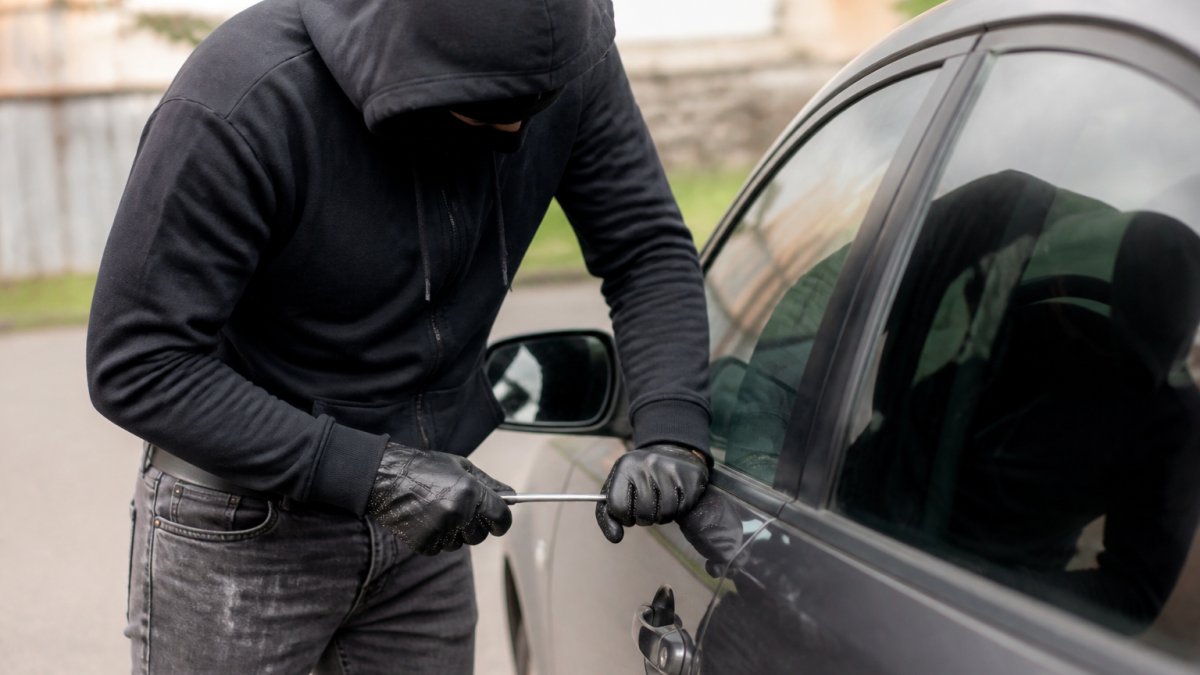
If your car gets stolen, the part of your policy that pays is comprehensive coverage. Understanding what is covered by auto insurance theft in Everett starts there. Comprehensive coverage is the section of your policy that handles theft, and it is optional in Washington unless your lender requires it.
The short version: liability coverage pays for damage you cause to others. It pays nothing when someone steals your car.
Comprehensive coverage is different. It pays to repair or replace your vehicle after theft, vandalism, fire, or weather damage.
Most people assume "full coverage" means everything is handled. That word does not exist in a standard policy. What matters is which coverages you actually bought.
Comprehensive Coverage: The Part That Handles Theft
Comprehensive coverage is the auto insurance coverage that pays when your vehicle is stolen or damaged by something other than a collision. It also covers falling objects, hail, flood damage, fire, and vandalism.
Here is what it typically pays for:
- Theft of the entire vehicle
- Broken windows and damaged locks from a break-in
- Stolen car parts, like wheels or a catalytic converter
- Vandalism, including keyed paint or slashed tires
- Damage from weather events, like hail or falling tree limbs
One thing most drivers miss: comprehensive coverage pays the actual cash value of your car, not what you paid for it. That means depreciation comes out of your payout.
Theft of the Whole Vehicle vs. Theft of Parts and Contents
The same coverage handles both, but the claims work differently. When your whole car is stolen, your insurer pays the actual cash value minus your deductible.
When only parts are stolen, the claim focuses on repair costs. A stolen catalytic converter is the most common example in the Pacific Northwest.
Contents are a separate issue entirely, and that is where most people get confused.
Does Car Insurance Cover Personal Belongings Stolen From Your Vehicle?
Usually, no. A standard auto policy does not cover personal property stolen from inside your car. Your laptop, phone, gym bag, or tools are not covered under comprehensive coverage, because comprehensive responds to the vehicle itself and its permanently installed parts, not to loose items you happened to leave inside.
So where does that leave you? Your homeowners policy or renters insurance often steps in. These policies typically include off-premises personal property coverage, which follows your belongings outside the home. That is the mechanism that pays for a bag snatched from your back seat, a laptop taken from your trunk, or a phone left on the dash.
Here is how the two policies split the work:
| What was stolen | Which policy pays | Notes |
|---|---|---|
| The vehicle itself | Auto (comprehensive) | Pays actual cash value minus deductible |
| Car parts or windows | Auto (comprehensive) | Covers repair or replacement |
| Laptop, phone, bags inside | Homeowners or renters | Off-premises personal property coverage |
| Expensive tools in a work truck | May need a commercial policy | Personal policies often exclude business property |
The Details That Trip People Up
Three things decide whether your contents claim actually pays:
- Your homeowners or renters deductible applies. If your deductible is $1,000 and the stolen bag is worth $400, filing is usually a losing move. You would pay more in future premium impact than you recover.
- Special sub-limits cap certain categories. Most homeowners policies limit payouts for categories like cash, jewelry, and electronics to a fraction of your overall personal property limit. A $2,000 laptop may not be reimbursed in full even if your contents limit is $50,000.
- You have to prove ownership. Receipts, photos, serial numbers, or bank statements help. Without proof, adjusters often reduce or deny the contents portion.
A Local Angle Most Guides Skip
If your car is broken into in a public lot, the responding agency matters for your paperwork. A police report from the jurisdiction where the theft happened is what your insurer will request for the contents claim, separate from any auto claim. Keep the report number with your auto claim number so you can reference both when you call each insurer.
What Is Almost Never Covered
- Cash left in the vehicle
- Items you cannot prove you owned
- Business inventory or tools used for work, unless you carry a commercial policy
- Aftermarket electronics that were not permanently installed and not listed on your auto policy
If you regularly carry high-value gear, the cleaner fix is a scheduled personal property endorsement on your homeowners or renters policy, which lists specific items and usually waives the deductible for those items.
What Is a Deductible in Auto Insurance and How It Affects Your Theft Claim
A deductible is the amount you pay out of pocket before your insurance kicks in. If your deductible is $500 and your stolen car is valued at $8,000, your insurer pays $7,500.
The trade-off runs in two directions:
- A lower deductible means a higher premium every month, but a smaller hit at claim time.
- A higher deductible lowers your premium but stings more when you actually file.
A common mistake is setting a high deductible to save money, then facing a theft claim with no cash on hand. If your car is stolen and you cannot cover the deductible, the claim stalls until you can.
How the Payout Is Actually Calculated
Comprehensive coverage pays the actual cash value of your vehicle, not what you paid and not what you still owe. Actual cash value is replacement cost minus depreciation for age, mileage, and condition. That is the number your adjuster starts from, then subtracts your deductible.
Two thresholds matter:
- Repair vs. total loss. If the cost to repair the recovered vehicle exceeds a percentage of its actual cash value (commonly around 70-80%, though the exact figure depends on your insurer and state rules), the car is declared a total loss and you are paid the actual cash value minus deductible instead of repair costs.
- Recovered vehicle buy-back. If your stolen car is recovered after you have already been paid, you may be offered the option to buy it back at its salvage value. That can be a good deal or a trap depending on the damage and the branded title it will carry. (Source: National Association of Insurance Commissioners (NAIC))
The GAP Insurance Angle Most Guides Miss
If you owe more on your car than it is worth, a theft payout may leave you short. That gap is where GAP insurance helps. It covers the difference between your car's actual cash value and your remaining loan balance.
Say you owe $15,000 and the car is worth $11,000. Comprehensive coverage pays $11,000 minus your deductible. GAP insurance covers the rest of the loan balance, so you are not stuck paying a loan on a car you no longer have.
GAP is usually worth considering when:
- You put little or nothing down on the vehicle
- You financed for a long term (60 months or more)
- You drive a model that depreciates quickly
- You lease and the lease contract includes gap waiver language
A Practical Way to Set Your Deductible
Ask one question: could you cover this amount tomorrow, in cash, without borrowing? If the answer is no, the deductible is too high for your budget. A $500 or $1,000 comprehensive deductible is a common middle ground for drivers who want theft protection without a painful monthly premium.
How to File a Car Theft Insurance Claim in Everett Step by Step
Filing a car theft insurance claim takes five steps. Move quickly, because delays can slow your payout.
- Call the police immediately. File a police report in Everett. Your insurer will ask for the report number.
- Notify your insurer. Report the theft as soon as possible. Most policies require prompt notice.
- Gather your documents. Have your title, registration, and loan info ready.
- Work with the claims adjuster. They will review the police report and set the payout.
- Track the timeline. Theft claims often take longer than collision claims because of the investigation.
What to Have Ready Before You Call Your Insurer
Before you dial, collect these items:
- Your policy number and vehicle identification number
- The police report number
- Your car title or loan details
- A list of any personal items stolen
- Photos of your car, if you have them
Having this ready cuts the first call in half. For official guidance on reporting a stolen vehicle, see the Washington State Patrol information on stolen vehicles.
Auto vs. Homeowners Insurance: Which Policy Covers What After a Theft
The two policies cover different things, and mixing them up costs you time. Auto insurance handles the vehicle and its parts. Homeowners or renters insurance handles your personal belongings inside it.
Here is the split that matters:
- Auto policy: the car, its parts, and damage from the break-in
- Homeowners or renters policy: the laptop, phone, or tools stolen from inside
- Neither, usually: cash, or items you cannot prove you owned
If you rent your home, renters insurance plays the same role as a homeowners policy for your belongings. Landlords and property investors should also check whether their building owners policy covers tenant property. It usually does not.
Do not assume your auto policy covers everything inside the car. Filing a contents claim under the wrong policy wastes days and can delay your payout.
GAP Insurance and Preventative Steps for Everett Drivers
If you owe more on your car than it is worth, a theft payout may leave you short. That gap is where GAP insurance helps. It covers the difference between your car's actual cash value and your remaining loan balance.
Say you owe $15,000 and the car is worth $11,000. Comprehensive coverage pays $11,000. GAP insurance covers the rest, so you are not stuck paying a loan on a car you no longer have.
Prevention matters just as much. Everett drivers can lower their risk with a few habits:
- Park in well-lit areas or a locked garage
- Use a steering wheel lock as a visible deterrent
- Never leave bags, phones, or chargers in plain view
- Install an anti-theft device or tracking system
For broader theft-prevention guidance, the National Highway Traffic Safety Administration guidance on vehicle theft prevention offers practical steps.
Conclusion: Getting Your Theft Claim Right the First Time
Theft claims go wrong when drivers assume the wrong policy covers the loss. Check your comprehensive coverage, know your deductible, and keep your homeowners or renters policy ready for contents claims.
Bringas Insurance helps Everett drivers build coverage that actually pays when it matters. We offer auto, home, and business insurance, plus free quotes so you can compare options. Our team can review your policy and find the right fit for your family and your budget.
Get a free quote from Bringas Insurance and protect your vehicle the right way.
Frequently Asked Questions
Does insurance pay anything if your car is stolen?
Only if you carry comprehensive coverage on your auto policy. Comprehensive is the part of auto insurance theft coverage that pays for a stolen vehicle, typically up to its actual cash value minus your deductible. If you only have liability insurance, the policy pays nothing toward the stolen car itself. Washington requires liability coverage, but comprehensive is optional, so check your declarations page before assuming you are protected.
Does my insurance cover items stolen from my car?
Usually not through your auto policy. Most auto policies exclude personal property inside the vehicle. Items like laptops, tools, or bags are typically handled by a homeowners or renters policy, often under off-premises personal property coverage, minus that policy's deductible. If you carry a low auto deductible and a high home deductible, it may not be worth filing on either for small losses. Report the theft to police first and keep receipts for anything valuable.
Why would insurance deny a theft claim?
Common reasons include lapsed premium payments, a policy that does not include comprehensive coverage, missing police report, or signs of fraud such as staged theft. Insurers also look at whether you left keys in the ignition or the car unlocked, since some policies treat that as negligence. Give your claims adjuster complete, accurate information and never inflate the value of stolen items, because that can void the entire claim under Washington's insurance fraud rules.
What should I not tell my insurance company after a theft?
Do not speculate about who took the car, guess at values you cannot document, or admit fault for leaving it unlocked before you review your policy language. Stick to facts: when you last saw the vehicle, where it was parked, what was inside, and the police report number. Anything you say is recorded and can be used later. If you are unsure how a detail affects your claim, ask your agent before giving a recorded statement to the adjuster.