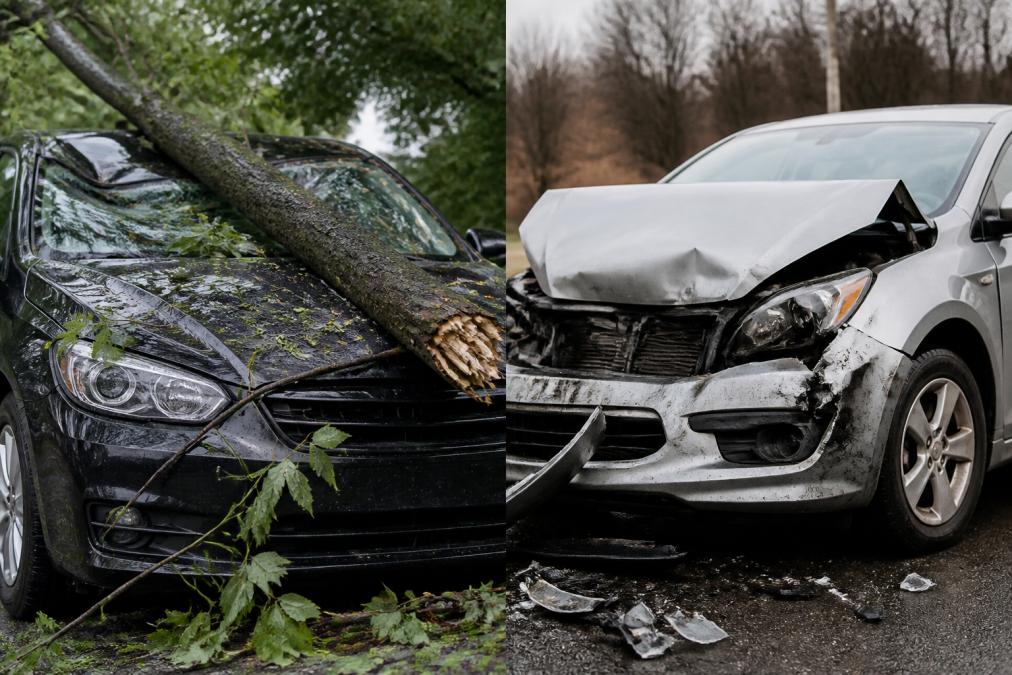
 comparison
Comprehensive vs Collision Coverage for Washington Drivers
Table of Contents
- Comprehensive vs Collision Coverage: The Key Differences
- What Collision Coverage Pays For
- What Comprehensive Coverage Pays For
- Comprehensive Insurance vs Collision Insurance Examples
- How Deductibles Work for Each Coverage Type
- Washington State Auto Insurance Requirements
- Washington Weather Risks and Non-Collision Losses
- Is Gap Insurance Worth It for Used Cars?
- When to Drop Comprehensive or Collision Coverage
- Frequently Asked Questions
Last Updated: September 23, 2026
Comprehensive vs Collision Coverage: The Key Differences
Comprehensive vs collision coverage is the difference between paying for damage you caused and paying for damage that happened to your car. Collision pays when you hit something. Comprehensive pays when something hits you. At Bringas Insurance, we can walk drivers through this distinction because it helps decide how much of a repair bill lands on you. (Source: National Highway Traffic Safety Administration (NHTSA) data)
Both are optional add-ons to a liability policy, and both come with a deductible you choose. Plenty of drivers need neither once their car loses enough value.
Here's the part most guides skip: these two coverages are not a package deal. You can carry collision without comprehensive, or the reverse. Below, we'll break down what each one pays for, how deductibles work, and when dropping one makes financial sense.
What Collision Coverage Pays For
Collision coverage pays to repair or replace your vehicle after it hits another car, a guardrail, a fence, or a pothole. It applies regardless of who caused the crash.
Collision coverage handles damage to your own vehicle from an impact with another object. If you rear-end someone in Everett traffic, collision pays for your bumper.
A few things collision typically handles:
- At-fault accidents with another vehicle
- Single-car crashes into poles, trees, or barriers
- Damage from hitting a pothole or curb
- Rollovers
One honest limitation: collision does not cover the other driver's car. That's what property damage liability is for. Collision only touches your vehicle.
What Comprehensive Coverage Pays For
Comprehensive coverage pays for damage to your car that has nothing to do with a crash. Theft, vandalism, hail, fire, flooding, and animal strikes all fall under this umbrella. Insurers sometimes call these non-collision losses.
Comprehensive coverage protects your vehicle from damage caused by events other than a collision. A deer running into your hood is a comprehensive claim, as is a stolen catalytic converter or a cracked windshield from road debris.
What comprehensive typically covers:
- Theft of the vehicle or parts
- Vandalism and keyed paint
- Hail, wind, and storm damage
- Fire and flooding
- Animal strikes
- Falling objects, like tree limbs
The one drawback: comprehensive still carries a deductible, and filing small claims can raise your premium more than the repair costs. Weigh that before you call it in.
Comprehensive Insurance vs Collision Insurance Examples
Comprehensive insurance vs collision insurance examples make the split obvious fast. Scraping a concrete pillar while backing out of a grocery store lot in Everett is collision. A storm dropping a branch across the roof overnight is comprehensive.
Here's a side-by-side to make it concrete:
| Scenario | Coverage That Pays | Why |
|---|---|---|
| Rear-ending a car at a stoplight | Collision | Impact with another vehicle |
| Hitting a deer on a rural road | Comprehensive | Animal strike is a non-collision loss |
| Hail dents the hood | Comprehensive | Weather-related damage |
| Sideswiping a parked car | Collision | Impact with an object |
| Catalytic converter stolen | Comprehensive | Theft |
| Sliding into a ditch in rain | Collision | Single-car impact |
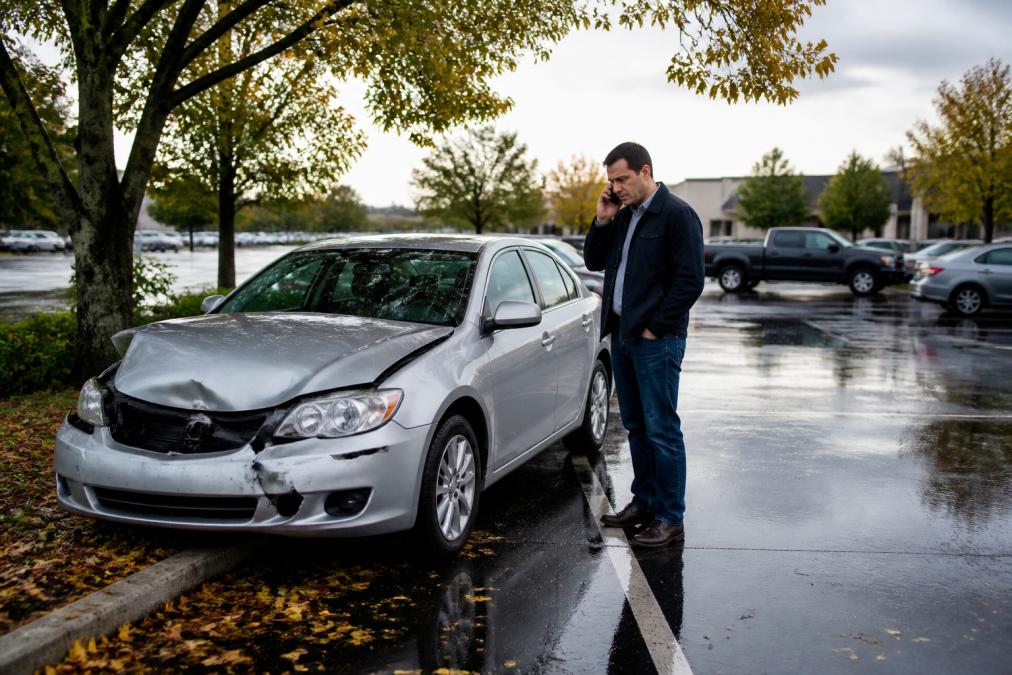
A common mistake is assuming comprehensive covers everything collision does, just "more broadly." It doesn't. They cover separate lists of events, and you need both to be fully protected.
How Deductibles Work for Each Coverage Type
Deductibles work the same way for both coverages: you pay the deductible, your insurer pays the rest up to your policy limits. A $500 deductible on a $4,000 repair bill leaves you paying $500.
The trade-off is straightforward. A higher deductible lowers your premium. A lower deductible raises it. Many drivers consider setting a lower deductible on collision and a higher one on comprehensive.
A few practical points:
- Deductibles are per coverage, not per policy. Your collision deductible and comprehensive deductible can differ.
- You pay the deductible once per claim, not per repair item.
- If your car is totaled, the deductible comes out of the payout based on actual cash value.
Washington State Auto Insurance Requirements
Washington does not require comprehensive or collision coverage. The state's mandatory auto insurance is liability-only, which pays for injuries and property damage you cause to other people, not damage to your own vehicle. That's why both coverages in this article are optional under state law.
The mandatory liability limits are set by Washington's minimum auto insurance requirements and are expressed as three numbers: bodily injury per person, bodily injury per accident, and property damage per accident. The Office of the Insurance Commissioner publishes the current figures, and they are updated periodically, so confirm the exact limits there before you shop.
One more state-specific point: Washington is not a no-fault state. Fault is assigned after a crash, and the at-fault driver's liability coverage pays the other party. That's why collision coverage matters for your own car, if you're at fault, only your collision coverage pays to fix your vehicle.
Washington Weather Risks and Non-Collision Losses
Washington weather risks turn comprehensive coverage from optional into genuinely useful. The Pacific Northwest delivers windstorms, heavy rain, falling limbs, and occasional hail, every one a non-collision loss.
Is Gap Insurance Worth It for Used Cars?
Gap insurance is worth it for used cars when you owe more on the loan than the car is worth. That gap between your loan balance and the vehicle's actual cash value is exactly what gap coverage fills. Without it, a total loss can leave you paying off a car you no longer have.
Gap coverage tends to make sense when:
- You financed most of the purchase price
- The vehicle depreciates quickly
- You're early in a long loan term
- You rolled a previous loan into the new one
When to Drop Comprehensive or Collision Coverage
Dropping comprehensive or collision is a math decision, not a mileage decision: is the premium you pay over a year worth the payout you would realistically collect? Most drivers may not run that number, which can lead to situations where they might be overpaying for coverage on a car with low value or dropping coverage on a car that still warrants protection.
Run this check:
- Is the vehicle paid off, with no lender or lessor requirement?
- Do you know the actual cash value, not the replacement cost?
- Is the annual premium for the coverage more than roughly 10-20% of that value?
- Is your LTV below 100%, or do you carry gap insurance?
- Can you cover a repair or a replacement from savings without hardship?
Frequently Asked Questions
Is comprehensive or collision insurance required by law in Washington?
Washington state does not require comprehensive or collision coverage. The state only mandates liability insurance to cover damage you cause to others. However, if you have a financed or leased vehicle, your lender will typically require both comprehensive and collision coverage until the loan is paid off. Many drivers choose to add these coverages voluntarily to protect their own vehicle from repair costs after accidents, theft, or weather damage.
What does comprehensive coverage pay for in Washington?
Comprehensive coverage handles non-collision losses like theft, vandalism, hail damage, fire, flooding, and animal strikes. In Washington, this matters because the state sees frequent rain, windstorms, and wildlife collisions. If a tree falls on your car during a storm or someone breaks your window to steal a stereo, comprehensive covers the repair minus your deductible. It also covers hitting a deer, which is a common occurrence on rural roads throughout the state.
Does collision insurance cover hitting a deer in Washington?
No. Hitting a deer falls under comprehensive coverage, not collision. Collision coverage pays for damage when your car hits another vehicle or object like a guardrail or fence. Animal strikes are classified as comprehensive claims because the animal is not a vehicle or fixed object. If you live in an area with high deer traffic, having comprehensive coverage protects you from paying the full repair estimate out of pocket.
Is it worth keeping comprehensive and collision on an older car?
The decision depends on your car's actual cash value versus your premium and deductible. A common guideline suggests considering dropping full coverage when your annual premium plus deductible approaches or exceeds your vehicle's market value. For example, if your car is worth $3,000 and your deductible is $1,000, you would only receive $2,000 after a total loss. Comparing that potential payout against what you save annually by removing the coverage can help inform your decision.
How do deductibles work for comprehensive vs. collision claims?
Each coverage type has its own deductible. If you file a collision claim, you pay your collision deductible. If you file a comprehensive claim for theft or weather damage, you pay your comprehensive deductible. Many drivers consider choosing a lower deductible for comprehensive. Raising your deductible lowers your premium but increases your out-of-pocket expenses when you file a claim.