 blog
7 Risks of Underinsuring Rental Property Assets: What Landlords Lose
Last Updated: November 16, 2026
Quick Summary
Underinsuring rental property assets means carrying coverage limits below what it would actually cost to rebuild, repair, or replace the property and its income. The savings show up every month, but the cost shows up once at claim time and can wipe out years of cash flow. A policy bought years ago whose dwelling limit was never adjusted can leave a coverage gap worth tens of thousands of dollars.
- Confusing market value with reconstruction cost is a fast route to a dwelling limit shortfall.
- Coinsurance clauses commonly require 80% of replacement value, sometimes 90% or 100%.
- Insuring to the mortgage balance often falls below the coinsurance threshold and triggers a penalty.
- A fire example shows a $30,000 ordinance-or-law sublimit exceeded by $10,000 in code upgrades.
- Re-run your replacement cost numbers at every renewal and after any major renovation.
Table of Contents
- Why Underinsuring Rental Property Assets Costs More Than a Higher Premium
- Risk 1: A Shortfall Between Your Dwelling Limit and Real Reconstruction Cost
- Risk 2: Coinsurance Clauses That Penalize You at Claim Time
- Risk 3: Rental Property Insurance Coverage Limits That Skip Code Upgrades and Debris Removal
- Risk 4: Lost Rents When Landlord Insurance Loss of Rental Income Runs Out
- Risk 5: Gaps in Rental Property Liability Coverage After a Tenant or Visitor Injury
- Risk 6: A Mortgage, Cash Flow, or Portfolio Hit From One Uncovered Claim
- Risk 7: Policy Exclusions and Deductibles That Quietly Shift Costs to You
- How to Calculate Rental Property Replacement Cost and Set Limits That Hold
- The Bottom Line on Underinsuring Rental Property
- Frequently Asked Questions
Why Underinsuring Rental Property Assets Costs More Than a Higher Premium
Underinsuring rental property assets is the practice of carrying coverage limits below what it would actually cost to rebuild, repair, or replace the property and its income. The savings show up every month. The cost shows up once, at claim time, and it can wipe out years of cash flow.
A common pattern in rental property coverage is a policy bought years ago whose dwelling limit was never adjusted, leaving a coverage gap that can be worth tens of thousands of dollars. Below, we walk through the seven risks of underinsuring rental property, from coinsurance penalties to code-upgrade shortfalls, so you can spot the gaps before a loss does it for you.
The core problem is simple. Premiums are visible and immediate. Coverage gaps are invisible until the day you file a claim. Most landlords never run the numbers, so they never see the risk sitting in their own policy.
| Scenario | Monthly Premium | Out-of-Pocket at Claim | 10-Year Net Position |
|---|---|---|---|
| Underinsured | Lower | Large gap you fund yourself | Savings erased by one claim |
| Properly insured | Higher | Limited to deductible | Predictable, protected |
| Self-insured gap | Lowest | Full rebuild cost | Highest exposure |
Risk 1: A Shortfall Between Your Dwelling Limit and Real Reconstruction Cost
The first risk is the most common. Your dwelling coverage limit is set at purchase, then left alone for years while construction costs climb. When a fire or storm levels the property, the claim pays the limit, not the real rebuild price.
Say your policy carries a dwelling limit based on a valuation from several years ago. Lumber, labor, and permits have all risen since then. The gap between your limit and the true reconstruction cost comes straight out of your pocket.
Upside of checking: A quick coverage review catches the shortfall before a loss. Downside of skipping it: You fund the difference yourself, often with no warning.
Watch out: many landlords confuse market value with reconstruction cost. For a clear breakdown of how dwelling coverage differs from personal property coverage, see our guide on dwelling coverage vs personal property coverage.
Risk 2: Coinsurance Clauses That Penalize You at Claim Time
A coinsurance clause is the most misunderstood provision in rental property insurance, and it is the one most likely to turn a partial loss into a financial hit.
Coinsurance clauses work by comparing the limit you carry to the limit the policy requires, and reducing partial-loss payments when you fall short.
Watch out: A common pattern is a landlord who insures to the mortgage balance rather than replacement cost. The lender only requires enough coverage to protect the loan, which is often far below the coinsurance threshold, so the policy satisfies the bank and still triggers a penalty at claim time.
The fix is straightforward but requires a real number. Get a replacement-cost estimate from a professional valuation tool or an inspector, then set the dwelling limit at or above the coinsurance requirement, not at a round number that fits the budget.
Risk 3: Rental Property Insurance Coverage Limits That Skip Code Upgrades and Debris Removal
Standard landlord policies often cap or exclude the costs that follow a major loss, the work that has to happen before the rebuild can even start.
Ordinance or law coverage pays the extra cost to rebuild to current building codes (Are there different types of policies?).
Debris removal pays to haul away what is left after a fire or storm. When debris costs consume funds needed for rebuilding, underinsurance explained helps clarify why the total available payout may fall short of the property’s full recovery costs.
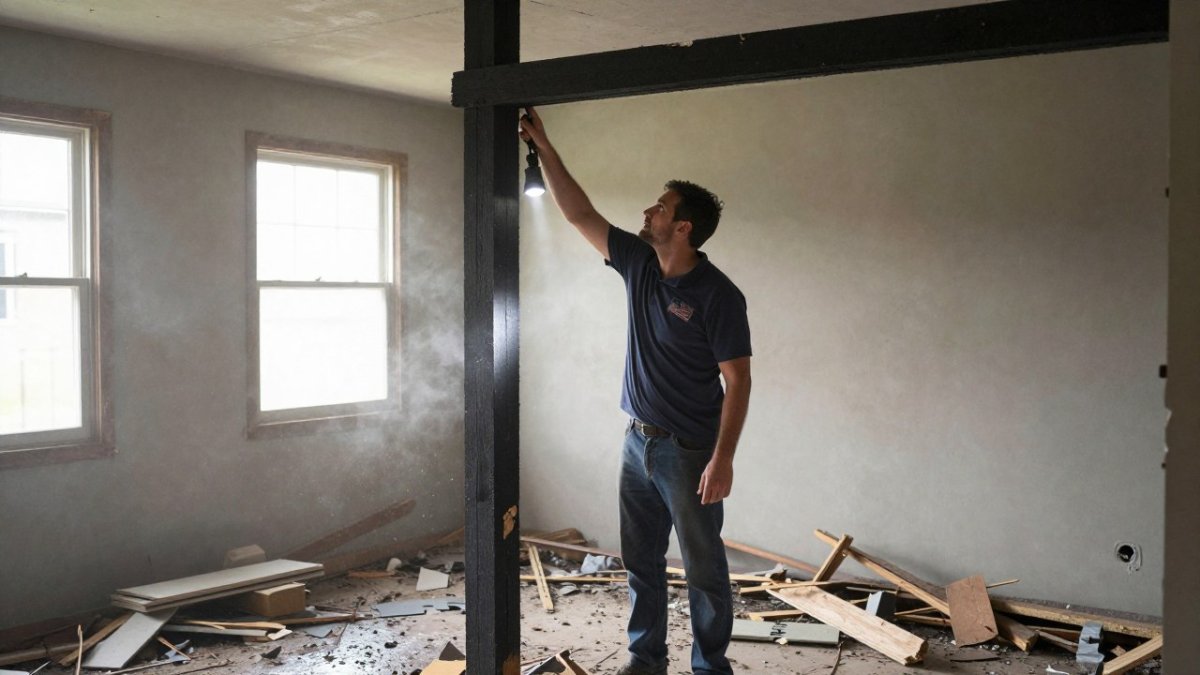
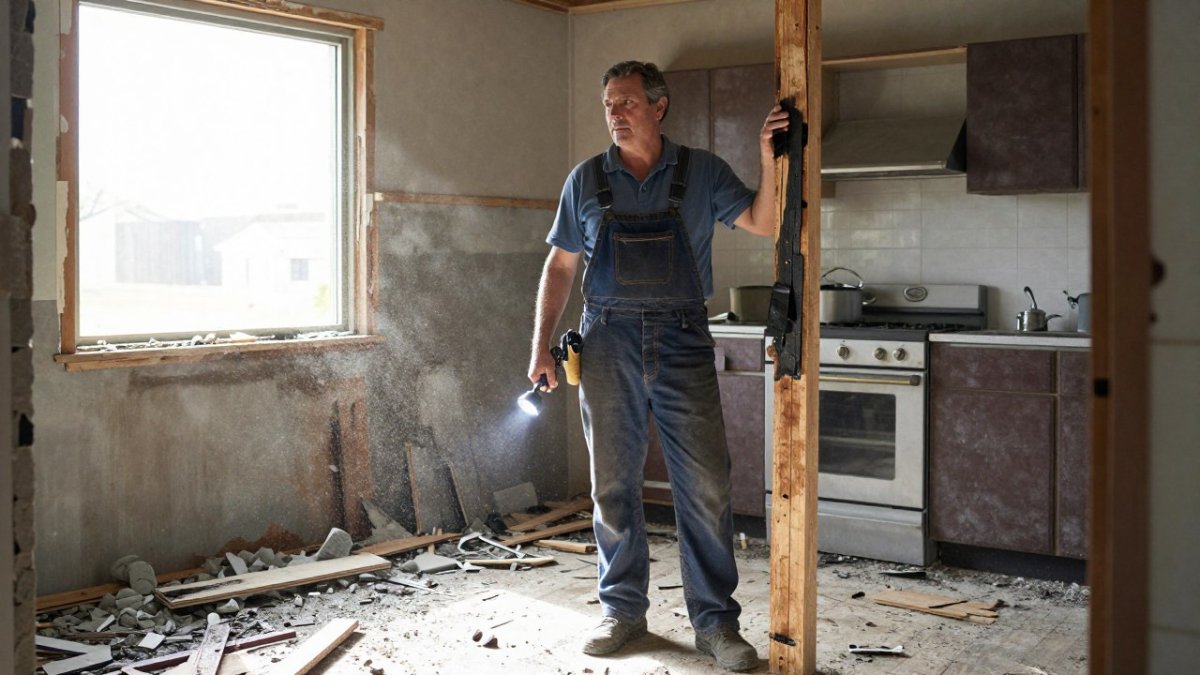
Here is how the two interact in practice. A fire damages a 1970s rental with a $300,000 dwelling limit. The rebuild requires $40,000 in code upgrades and $35,000 in debris removal.
Watch out: A common pattern is a landlord who confirms the policy includes ordinance-or-law coverage but never checks the dollar amount.
Ask your agent to confirm the sublimits on both, in writing, and to raise them if the building is older or the local code environment is strict.
Risk 4: Lost Rents When Landlord Insurance Loss of Rental Income Runs Out
Landlord insurance loss of rental income coverage replaces the rent you lose while the property is unlivable. The risk is that the benefit has a time limit, and rebuilds often run longer than expected.
Permits, contractor schedules, and material delays all stretch timelines. When the loss-of-rent period ends before the unit is ready, the mortgage payment still comes due with no rent behind it.
Upside of adequate loss-of-rent coverage: Cash flow holds steady through the rebuild. Downside of a short limit: You cover the mortgage from savings or reserves.
Check how your policy defines the benefit period and whether it caps the payout in dollars or months. Then match it to a realistic rebuild timeline, not the best-case one.
Risk 5: Gaps in Rental Property Liability Coverage After a Tenant or Visitor Injury
Rental property liability coverage responds when a tenant or visitor is injured on the property and sues. The risk is that the limit is too low for a serious injury, and medical costs plus legal defense can exceed it fast.
A slip on a broken step or a fall from a faulty railing can lead to a claim that runs well past a modest liability limit. Once the limit is exhausted, the excess judgment is yours.
Upside of higher limits: Legal defense and settlement costs stay covered. Downside of a low limit: A single injury claim can reach your personal assets.
Watch out: liability claims often arrive months after the injury, so a lapsed inspection or a known hazard you never fixed becomes evidence against you. If you are unsure whether your current limit is enough, read our breakdown on whether you need more than standard rental property liability coverage.
Risk 6: A Mortgage, Cash Flow, or Portfolio Hit From One Uncovered Claim
One uncovered claim can ripple past the property itself. If the claim payment falls short, you may need a loan to finish repairs. That loan adds a payment, and the lost rent removes income at the same time.
The damage does not stop at one building. A shortfall can drain the reserves you set aside for the next property or force a sale at the wrong time. For landlords running several units, a single gap can stall the whole portfolio.
Upside of full coverage: The claim closes, and the portfolio keeps moving. Downside of a gap: Repairs, debt, and lost rent hit at once.
If you hold multiple properties, review limits across the whole portfolio, not one policy at a time. Our guide to the best insurance for rental properties covers how coverage should fit together across a portfolio.
Risk 7: Policy Exclusions and Deductibles That Quietly Shift Costs to You
Every policy has exclusions and a deductible. The risk is not that they exist, it is that landlords never read them until a claim is denied or reduced.
Common trouble spots:
- Water damage exclusions for repeated leaks or maintenance neglect
- High deductibles for wind or hail that exceed what you keep in reserve
- Vacancy clauses that cut coverage when a unit sits empty
- Wear-and-tear exclusions that deny claims for deferred maintenance
Upside of reading the fine print: You know exactly what you fund yourself. Downside of skipping it: A denied claim you assumed was covered.
Pick a deductible you can actually pay after a loss, and fix maintenance issues before they become exclusions. Our guide on how to lower landlord insurance costs shows how to reduce premium without adding gaps.
How to Calculate Rental Property Replacement Cost and Set Limits That Hold
Calculating rental property replacement cost means estimating what it would take to rebuild the structure at today's prices, then setting your dwelling limit at or above that number. It is not the purchase price and not the county assessment.

Work through these steps at every renewal:
- Estimate rebuild cost per square foot using current local construction pricing, not a figure from years ago.
- Add code-upgrade costs for an older building that may need updates to pass inspection.
- Include debris removal and site cleanup in the total.
- Set the dwelling limit at or above the replacement cost, never below a coinsurance requirement.
- Match loss-of-rent coverage to a realistic rebuild timeline.
- Review liability limits against the injury risk on the property.
- Re-run the numbers after any renovation, since improvements raise replacement value.
Do this at every renewal and after every major renovation. A limit that fit the property five years ago may not fit it today.
The Bottom Line on Underinsuring Rental Property
The seven risks of underinsuring rental property assets all trace back to one habit: setting coverage once and never revisiting it. Premiums feel like the cost. The real cost is the gap you fund at claim time, when you have the least flexibility to pay it.
A coverage review takes an afternoon and closes the gaps before a loss finds them. Bringas Insurance can help landlords review dwelling limits, loss-of-rent terms, liability coverage, and exclusions, and offers free quotes. We can walk you through landlord insurance options built for the building, liability, lost income, and other ownership risks. Get started with Bringas Insurance and set limits that actually hold when you need them.
Frequently Asked Questions
What happens if dwelling coverage is insufficient on a rental property?
You pay the difference out of pocket. If your dwelling limit is set below the actual reconstruction cost, the claim payment is capped at that limit, and every dollar of repair above it comes from your own funds. A coinsurance clause can reduce the payout further when the limit falls short of the required replacement value. The practical result is a repair bill you fund yourself while the property sits vacant and rent stops.
How do I calculate the replacement cost of a rental property?
Start with the square footage and construction type, then apply current local rebuilding costs per square foot rather than market value or the price you paid. Add features that raise reconstruction cost: custom finishes, older wiring, foundation type, and any code upgrades required after a loss. An insurance agent or a replacement-cost estimator can produce a figure you can defend. Review it after every renovation and at each renewal, because construction costs move.
Does landlord insurance cover lost rental income after a covered loss?
It can, through loss of rental income or fair rental value coverage, but only up to the limit and time period you bought. A typical policy pays the rent you would have collected while the unit is unlivable, not indefinitely. If rebuilding takes longer than your coverage window, the rent shortfall is yours. Check the limit against a realistic repair timeline, and remember the mortgage payment continues whether or not rent arrives.
Can a landlord be underinsured even when the property's market value is high?
Yes. Market value and replacement cost are different numbers. A high market value can reflect land, location, or demand, while reconstruction cost depends on square footage, materials, labor, and code requirements. In a market where land is expensive, the building's replacement cost may still exceed a limit set from the purchase price. Set dwelling coverage from a reconstruction estimate, not from the sale price or the county assessment.