 how-to
How to Meet Minimum Auto Insurance Requirements in WA
Table of Contents
- Washington's Financial Responsibility Law and Minimum Liability Limits
- Proof of Insurance Requirements and Digital vs. Physical Cards
- Consequences of Driving Uninsured in Washington
- Alternative Ways to Meet Financial Responsibility
- Optional Coverage That Fills Gaps in Your Policy
- How to Find the Best Minimum Auto Insurance Rates
- Conclusion
- Frequently Asked Questions
Last Updated: September 30, 2026
Washington's Financial Responsibility Law and Minimum Liability Limits
Washington drivers must carry auto insurance that meets state minimums. The state's financial responsibility law requires every registered vehicle to have liability coverage in place at all times.
Knowing how to meet minimum auto insurance requirements WA state sets is the first step toward avoiding fines, license suspension, and serious financial risk. At Bringas Insurance, we help Everett drivers understand exactly what the state expects.
Washington requires liability coverage only. That means the state does not force you to buy collision or comprehensive coverage. But liability alone leaves gaps that can cost you thousands after a crash.
Bodily Injury and Property Damage Coverage Explained
Washington's minimum liability limits follow a 25/50/10 structure. These three numbers work together to define your coverage:
- $25,000 for bodily injury to one person in an accident
- $50,000 for bodily injury to all people in one accident
- $10,000 for property damage to another person's vehicle or property
Bodily injury liability pays for medical bills and related costs when you injure someone else. Property damage liability covers repairs when you damage another person's car or property.
The numbers look simple. The risk is not. A single hospital stay can blow past $25,000 fast. The Washington State Office of the Insurance Commissioner publishes these limits and updates them when the law changes.
Proof of Insurance Requirements and Digital vs. Physical Cards
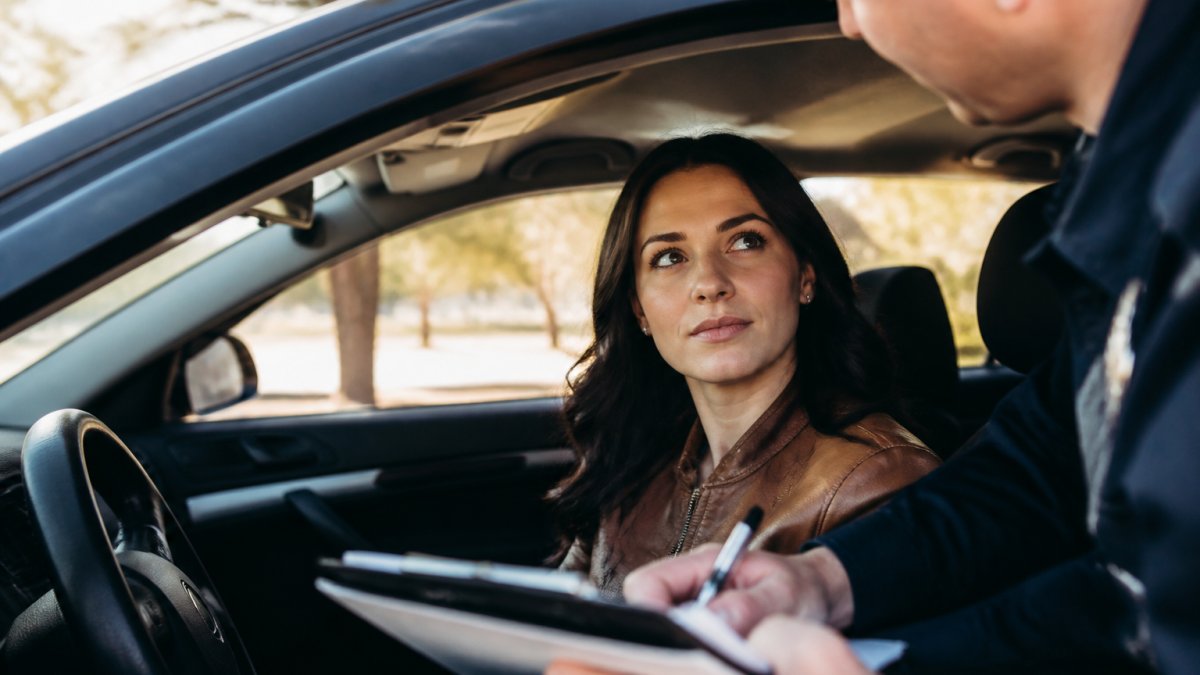
Washington law requires drivers to show proof of insurance when asked by a police officer. You must also provide it when registering a vehicle or filing an accident claim.
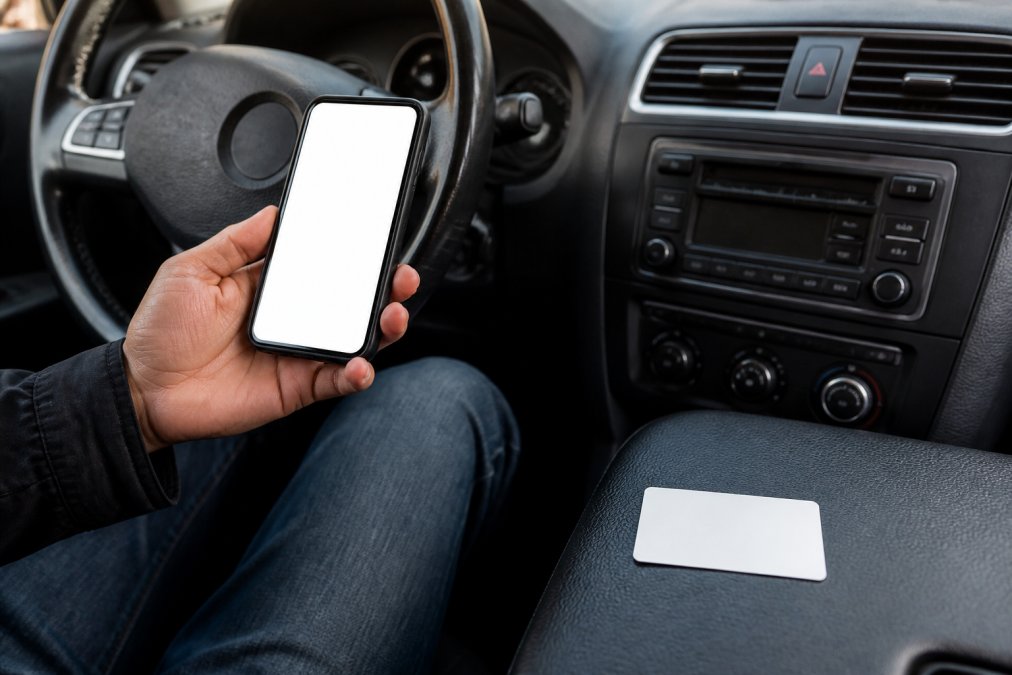
You can carry proof in two forms:
- A physical insurance card in your car
- A digital card on your phone
Washington accepts electronic proof of insurance. But there is a catch. If your phone dies or you have no signal, you cannot show anything. Keeping a paper card in your glove box as a backup can save a headache at the roadside.
Your insurance provider must give you a card that lists your policy number, coverage dates, and limits. Check that the dates are current. An expired card counts as no proof at all.
Consequences of Driving Uninsured in Washington
Driving without insurance in Washington triggers real penalties. The state treats it as a traffic citation, not a warning.
Here is what can happen:
- A fine for each violation
- License suspension
- A requirement to file an SR-22 for up to three years
- Higher premium rates when you finally buy coverage
- Vehicle registration hold until you show proof of insurance
The consequences of driving uninsured go beyond one ticket. An at-fault driver with no coverage pays out of pocket for the other person's injuries and property damage. That can mean wage garnishment, lawsuits, and years of financial strain.
Alternative Ways to Meet Financial Responsibility
Buying a standard policy is the most common path. It is not the only one. Washington's financial responsibility law allows several alternatives, and each one carries a different legal mechanism, cost structure, and practical trade-off.
- A liability bond filed with the state, issued by a surety company, in an amount set by statute
- A cash deposit with the state treasurer, held as security against future claims
- A self-insurance certificate for qualifying entities that can prove financial capacity
- An SR-22 filing after certain violations, which is not a substitute for insurance but a proof-of-coverage requirement layered on top of a policy
A bond or cash deposit ties up money for as long as you rely on it, and it does not actually pay a third party's claim the way liability insurance does, you still fund the loss yourself.
SR-22 Filing Requirements
An SR-22 is a certificate your insurer files with the state Department of Licensing. It is not insurance. It is proof that you carry the required liability coverage, and it stays on file for a set period, commonly three years, after certain violations.
Washington requires an SR-22 after events such as:
- Driving without insurance
- A DUI or physical control conviction
- An at-fault accident while uninsured
- Certain reckless driving or hit-and-run convictions
Self-Insurance Certificates
A self-insurance certificate lets an entity prove it can pay claims without buying a standard policy. This is the exemption most articles skip, and it is narrower than people assume.
Washington State Department of Licensing, SR-22 and financial responsibility
Optional Coverage That Fills Gaps in Your Policy
Minimum liability coverage has a structural flaw that most drivers do not notice until after a crash: it protects everyone except you. The 25/50/10 limits pay the other driver's injuries and property damage. They pay nothing toward your own car, your own medical bills, or your own lost wages.
Why Minimum Liability Leaves You Exposed
Consider a common scenario. You are at fault in a crash, your car is totaled, and you have only the state minimum. Your liability coverage pays the other driver up to the limits. Your own vehicle is a total loss, and because you carry no collision coverage, your insurer owes you nothing for it. If you still owe a loan or lease on that car, you keep making payments on a vehicle you can no longer drive.
The Coverages That Close the Real Gaps
Uninsured motorist coverage (UM) pays when a hit-and-run or uninsured driver injures you. Underinsured motorist coverage (UIM) kicks in when the at-fault driver's liability limits are too low to cover your costs. Washington requires insurers to offer both, though you can decline them in writing. Declining them is one of the most common and most costly mistakes drivers make when chasing the lowest premium.
Other coverages worth pricing:
- Collision coverage repairs or replaces your car after a crash, regardless of fault, up to actual cash value
- Comprehensive coverage handles theft, fire, hail, flooding, and animal strikes
- Personal injury protection (PIP) covers medical costs, and in some policies lost wages, for you and your passengers, Washington requires insurers to offer PIP, and you can waive it in writing (Personal injury protection (PIP))
- Medical payments (MedPay) is a narrower alternative to PIP that covers medical bills only
How the Limits Interact
| Coverage Type | Required in WA? | What It Pays For |
|---|---|---|
| Bodily injury liability | Yes | Others' injuries |
| Property damage liability | Yes | Others' property |
| Uninsured motorist | Must be offered | Your costs, uninsured driver |
| Underinsured motorist | Must be offered | Your costs, low limits |
| Personal injury protection | Must be offered | Your medical costs, passengers |
| Collision | No | Your car repairs, actual cash value |
| Comprehensive | No | Theft, fire, weather, animals |
| Gap insurance | No | Loan/lease balance above ACV |
How to Find the Best Minimum Auto Insurance Rates
The best rate comes from comparing quotes, not from grabbing the first one. Rates swing widely between insurance providers for the same driver and the same coverage.
Here is a simple process:
- Gather your driver record and vehicle details
- Get quotes from at least three providers
- Compare limits, not just premiums
- Ask about discounts for bundling home and auto
- Check the provider's claims reputation before you sign
Conclusion
Meeting Washington's minimum auto insurance requirements is not hard. The harder part is knowing whether the minimum is enough for your situation. Bringas Insurance helps Everett drivers compare coverage, understand their options, and find a policy that fits their budget and their family. We offer auto, home, life, and business coverage, plus free quotes with no pressure. Get a free quote from Bringas Insurance and protect what matters most.
Frequently Asked Questions
What are the minimum auto insurance requirements in Washington State?
Washington's financial responsibility law requires drivers to carry liability coverage for bodily injury and property damage. The state sets statutory minimums, though exact dollar figures can change. You must also carry proof of insurance in your vehicle at all times. If you drive without meeting these requirements, you face fines and license suspension. Check the Washington State Office of the Insurance Commissioner for current limits.
What happens if I drive without the required auto insurance?
Driving uninsured in Washington can lead to a traffic citation, fines, and license suspension. You may also be required to file an SR-22 certificate for high-risk status, which raises your premium rates. If you are in an accident while uninsured, you are personally responsible for the at-fault driver costs, including medical bills and property damage. This financial risk can be severe.
How can I prove I have met the minimum insurance requirements?
You can show proof of insurance with a physical card from your insurance provider or a digital copy on your phone. Washington accepts electronic verification. Your insurer issues an auto insurance policy card listing your coverage and effective dates. Keep it accessible whenever you drive. If you are pulled over, failure to show proof can result in a traffic citation even if you have coverage.
Is a certificate of deposit an alternative to auto insurance?
Washington allows self-insurance as an alternative to meeting financial responsibility, but it requires a substantial deposit or surety bond with the state. The process is complex and rarely practical for individual drivers. Most people meet the law through a standard auto insurance policy. Speak with a licensed agent to explore if self-insurance fits your situation.